
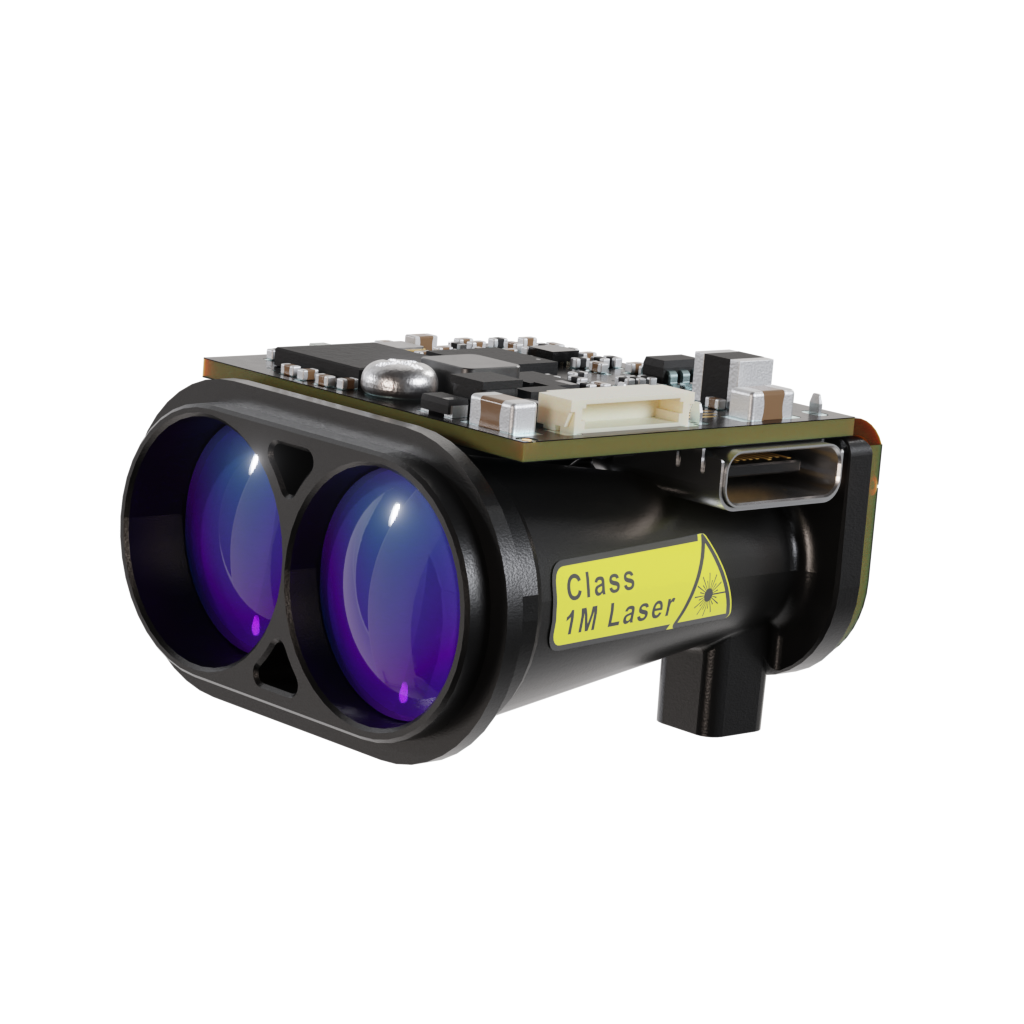


LiDAR for drone stability:
Precise altitude and positioning support
In modern drone operations, maintaining stable and accurate flight is essential. Whether hovering in place or making precise maneuvers, drones rely on accurate distance sensing to stay steady. For this, LiDAR technology has proven to be an invaluable tool. LightWare’s LiDAR sensors supply the precise altitude and proximity data that enables drones to maintain position with consistent precision and reliability, even in dynamic and challenging environments. From agriculture to infrastructure inspection, these compact LiDAR units enhance stability and reduce drift risk, supporting autonomous operation in dynamic and challenging conditions.
What is the drone position holding feature?
The drone position holding feature, consisting of various sensor inputs, is technology that allows UAVs to maintain a fixed distance from an object under inspection. This feature is crucial for drones performing tasks that require hovering, such as aerial photography, surveying, and inspection.
Traditional methods like GNSS sensors struggle to maintain accuracy over time. For example, GNSS can fail in urban canyons or dense forests, where satellite signals are obstructed. Similarly to the unreliability of GNSS, barometric sensors can drift over time due to wind gusts or temperature fluctuations.
LightWare’s microLiDARs assist to overcome these limitations by providing precise altitude and proximity data. By emitting laser pulses and measuring the time the reflected light takes to return to the sensor, these sensors provide accurate distance reading in real time, assisting drones to maintain stable flight and reducing drift, even in challenging environments. This greatly improves a drone’s ability to hold position with increased reliability, even when environmental factors are less than ideal.
Benefits of precise position control with LiDAR
- High-precision positioning
LightWare’s microLiDAR® sensors provide highly accurate altitude and proximity measurements, assisting drones to maintain stable flight in environments where GNSS or barometric sensors may be unreliable. Whether flying indoors or outdoors, LiDAR data improves the flight controller’s ability to hold its position and reduce drift. - Real-time adaptation to changing conditions
Unlike GNSS and barometric sensors, LightWare’s microLiDAR® sensors continuously measure the drone’s distance from an object, making real-time adjustments to account for environmental factors like wind, terrain, and temperature. This feature is especially valuable in dynamic environments such as agricultural fields or outdoor inspections, where conditions can change rapidly. - Seamless integration with drone systems
LightWare’s microLiDAR® sensors are designed for effortless integration with existing UAV platforms, both new and legacy systems. The position hold feature works seamlessly with autopilot systems, enabling autonomous drone operations. This reduces the need for manual adjustments and allows drones to perform complex tasks with minimal human intervention. - Enhanced flight stability and safety
Maintaining a fixed position is crucial for many drone operations, including aerial inspections, photography, and surveying. Our LiDARs ensure that drones maintain steady flight, even in challenging conditions like gusty winds or uneven terrain. This stability not only enhances operational efficiency but also improves safety, reducing the risk of accidents caused by sudden changes in the environment. - Ultra-light and compact design
LightWare’s microLiDARs are ultra-light and compact, making it an ideal choice for drones. It does not add unnecessary weight or affect the drone’s flight time, allowing for longer, more efficient operations without compromising on performance or accuracy. Its small size and ease of integration ensure that it can be fitted onto various UAV platforms, from small consumer drones to large industrial systems.
How LiDAR keeps drones steady in flight
With LightWare’s microLiDAR, position holding is achieved by continuously adjusting the drone’s altitude in response to changes in the environment. For instance, if the wind gusts and causes the drone to drift, LiDARs can detect the shift and correct the drone’s position in real-time, ensuring it remains stable and fixed.
This ability to sense and avoid obstacles makes these sensors superior to GNSS-based systems, which can struggle in areas with poor satellite reception, and barometric sensors, which can suffer from drift over time. LiDARs ensure drones stay in precise position regardless of external factors, even in challenging environments.
Application of LiDAR for improved flight stability
- Agricultural drones
LiDAR with position holding features are essential for agricultural drones that need to maintain precise altitudes during tasks like crop spraying or plant health monitoring. With LightWare’s microLiDAR® sensors, drones can hover at a constant height above crops, preventing damage while optimizing the effectiveness of spraying or imaging. This precision helps ensure the quality of the operation, improving crop yields and minimizing waste. - Infrastructure inspection
For infrastructure inspections, such as bridges, wind turbines, or communication towers, drones must maintain a stable position to capture high-quality images and data. LightWare’s microLiDAR® sensors allows drones to hold their position at fixed altitudes while flying close to structures, providing more accurate inspection results without the risk of colliding into the structure. - Aerial photography and cinematography
Position hold is critical for aerial photographers who need to keep the drone steady for consistent, sharp photos or videos. With LightWare’s microLiDAR® sensors, drones can hover in place without drifting, allowing photographers to focus on capturing quality imagery without worrying about repositioning or re-focusing. - Surveying and mapping
In surveying applications, drones need to maintain a precise altitude to capture accurate data for mapping. LiDARs with position holding features ensure that drones stay at a fixed height during the survey, resulting in more consistent results and reducing the time spent on re-adjusting the drone’s position. - Surveillance and security drones
Position holding is also essential for surveillance UAVs performing reconnaissance or security missions, especially in GNSS-denied or high-interference areas. LightWare’s microLiDAR® sensors ensure that drones can hold their position, even in challenging environments where traditional navigation methods may fail.
Ideal microLiDAR® sensors
for position hold applications
$449.00 excl. Taxes
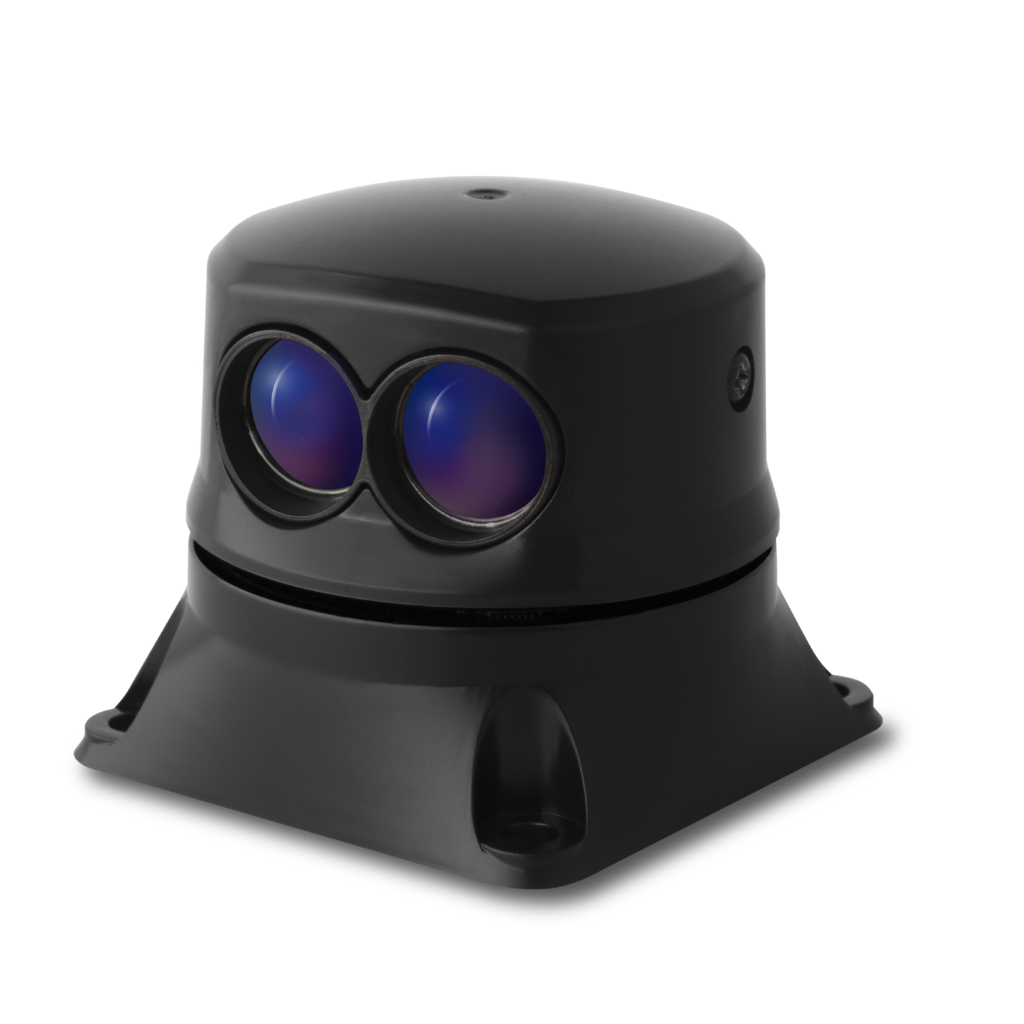
The SF45/B is the world’s smallest, lightest, scanning microLiDAR®. This 5kHz oscillating sensor is highly configurable, with the ability to scan to 320°.
$279.00 excl. Taxes
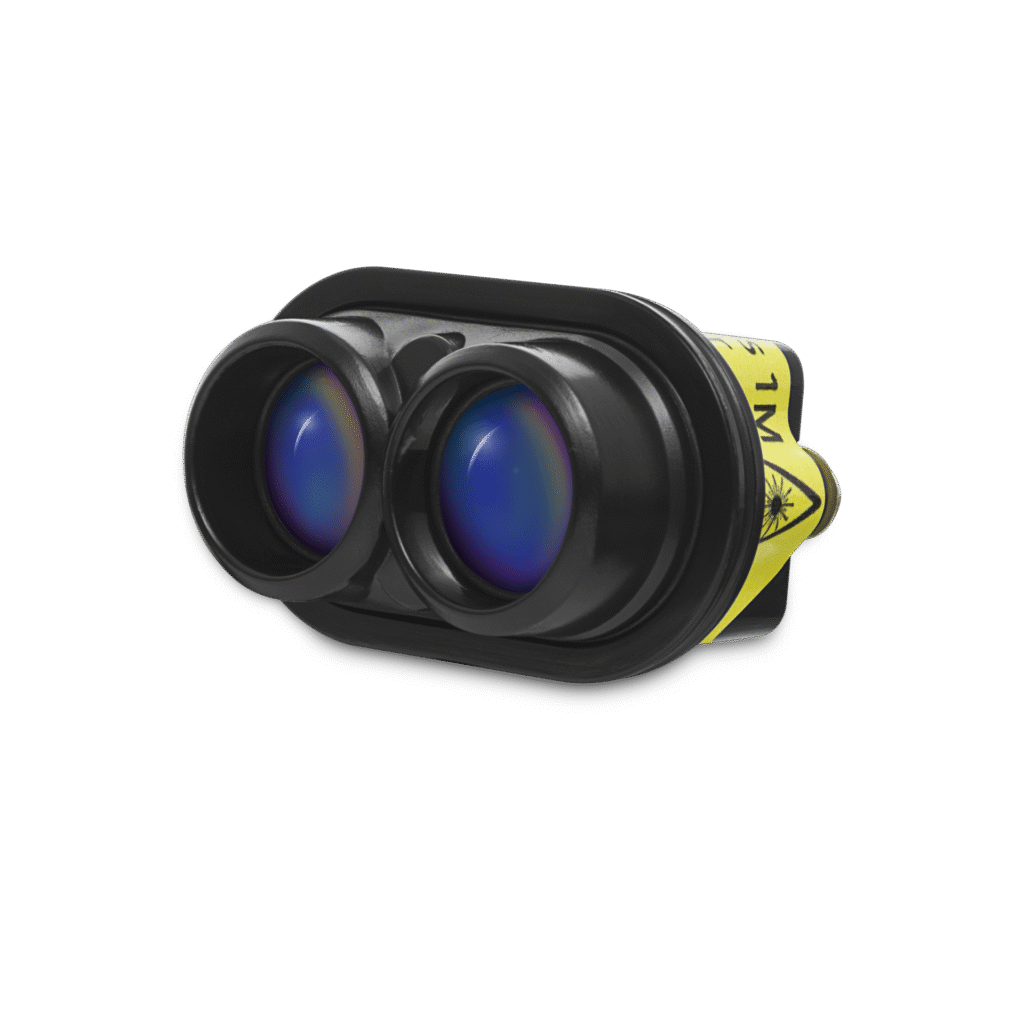
The SF20/C microLiDAR® is well established in the industry and recognized for its ease of integration. This lightweight sensor delivers reliable results at 100m.
$279.00 excl. Taxes
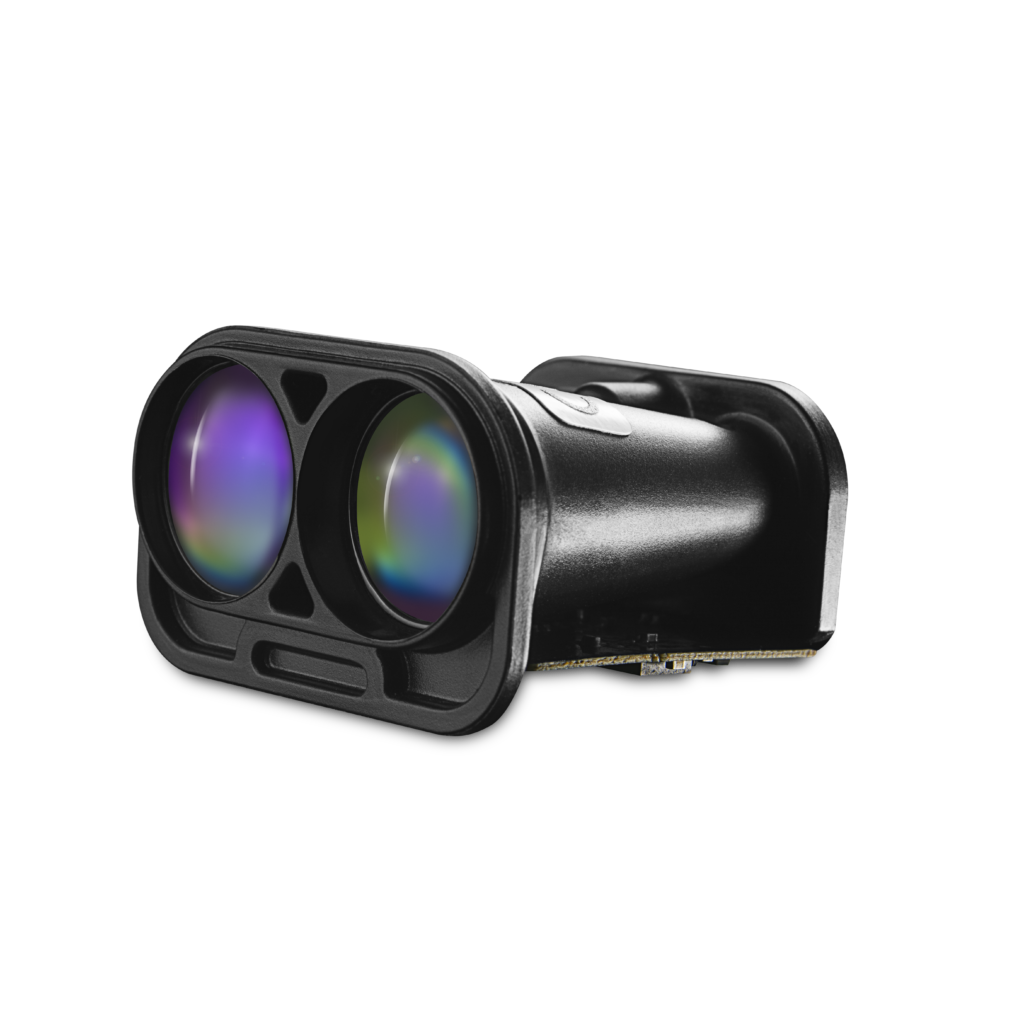
The SF000/B is the world’s smallest and lightest 50 meter microLiDAR® sensor. Specifically designed for size and weight constrained applications. Dynamite comes in small packages – as proven by the SF000/B – an industry favourite!
$339.00 excl. Taxes
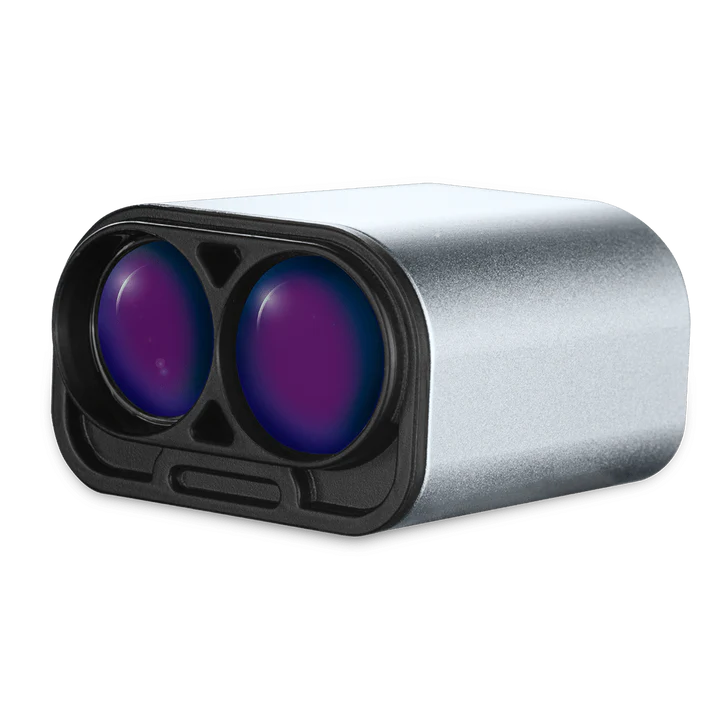
The LightWare LW20/HA microLiDAR® is a high accuracy, ultra compact, LiDAR in an IP67 enclosure.
$299.00 excl. Taxes
The LW20/C microLiDAR® is the industry de facto standard for 100m range capability, reliability, and ease of integration. A robust IP67 rating ensures it is dust and water-resistant.
$399.00 excl. Taxes
The GRF-500 enhances the mid-range rangefinding capabilities of your Electro-Optical/Infrared gimbal system, improving camera functionality and enabling precise localization of observed objects.
$349.00 excl. Taxes
The GRF-250 enhances the mid-range rangefinding capabilities of your Electro-Optical/Infrared gimbal system, improving camera functionality and enabling precise localization of observed objects.
Why choose LightWare’s microLiDAR® sensors for position hold capabilities
- Ultra-precise and reliable
LightWare’s microLiDAR® sensors deliver highly accurate data, ensuring drones maintain their position with exceptional precision. This is especially critical in high-stakes environments like infrastructure inspection or surveying, where position drift can lead to errors. - Easy integration
These LiDARs are ultra-light and designed for easy integration with a wide range of drone platforms. Its plug-and-play capability ensures a seamless setup, making it a versatile solution for different industries. - Proven performance in challenging environments
The microLiDAR® sensors offered by LightWare outperform traditional sensors like GNSS and barometric sensors in areas where these systems struggle, such as in urban environments or remote locations with minimal satellite access. - NDAA compliant and secure
LightWare’s microLiDAR® sensors are NDAA-compliant and Blue UAS listed, making it a trusted solution for government, defense, and security applications, where security and compliance are essential.
Enhance your drone’s stability and efficiency with LightWare’s microLiDAR
With LightWare’s microLiDAR® sensors, drones can achieve precise position holding, enhancing operational stability and efficiency in a wide range of applications, from agriculture to defense. Whether you’re performing aerial inspections, surveying, or crop monitoring, LiDARs ensure that your drone stays exactly where it needs to be.
Contact us today to learn more about how LightWare’s microLiDAR® sensors can elevate your drone operations. Explore our products page for more information on our LiDAR solutions.
We offer technical support to ensure you are matched with the product that best meets your requirements.
our clients’ stories
LightWare microLiDAR® is proud to support our pioneering clients as they deliver innovative solutions in their respective industries. Here’s how they apply LiDAR and what they have to say about our microlidar® sensors.